A Biodiverse Wildlife Haven
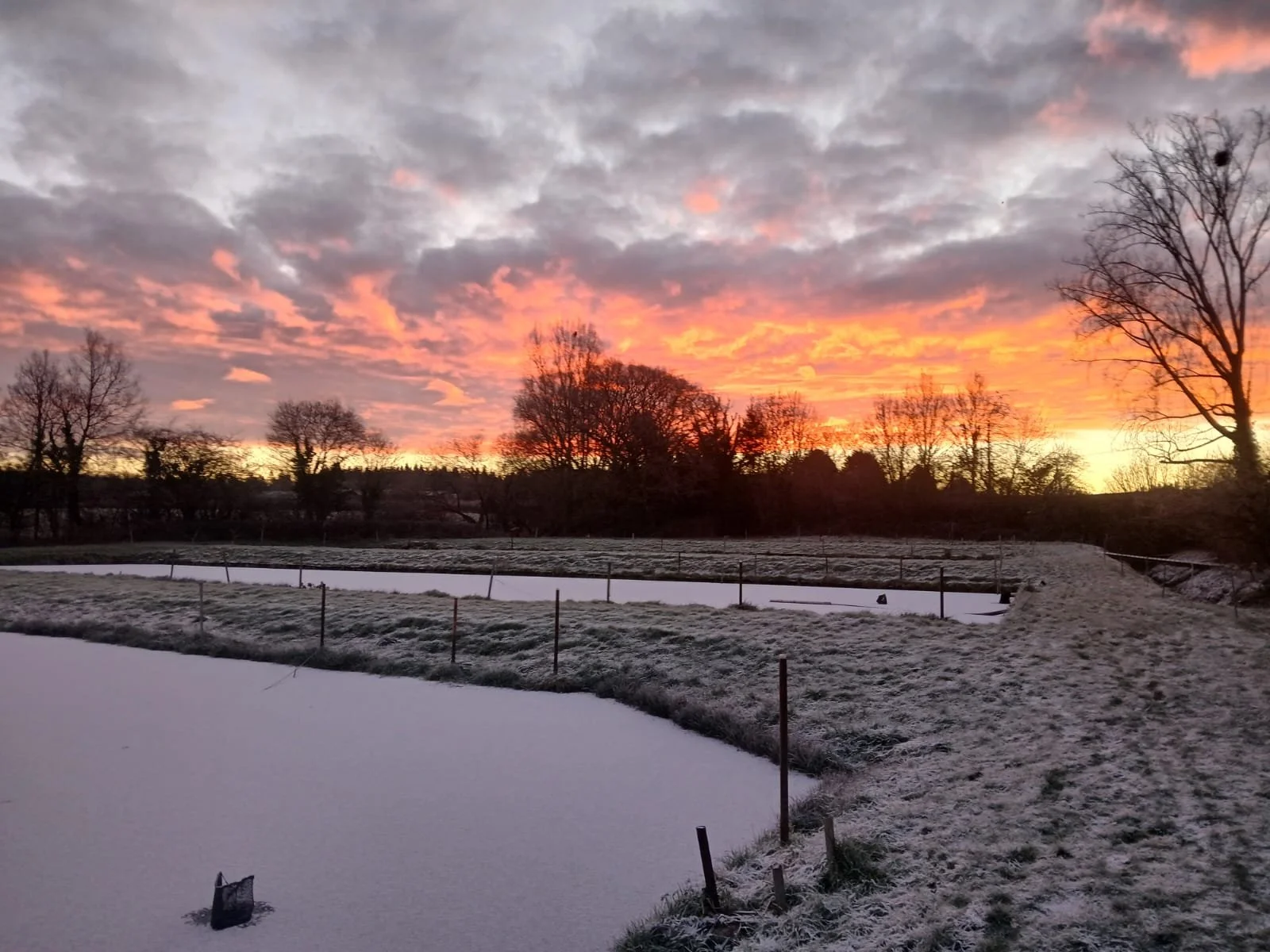
UK wildlife needs a complex habitat mosaic to maximise species biodiversity. Isolated habitats have limited benefit but a combination of woodland, hedgerow, bankside and water is ideal. Our fish farm was located where it is because it has an abundance of clay. Our farm ponds were formed out of the existing clay and top soil to form a natural shallow pond habitat. The ponds are bordered by 400 year old ancient woodland and our farming practices have created a wildlife haven. The managed ponds and bank sides adjacent to our woods and hedgerows have an extraordinarily diverse range of flora and fauna including many of our most protected and endangered species. Is there another parcel of land in Hampshire that has our biodiversity?
Flora
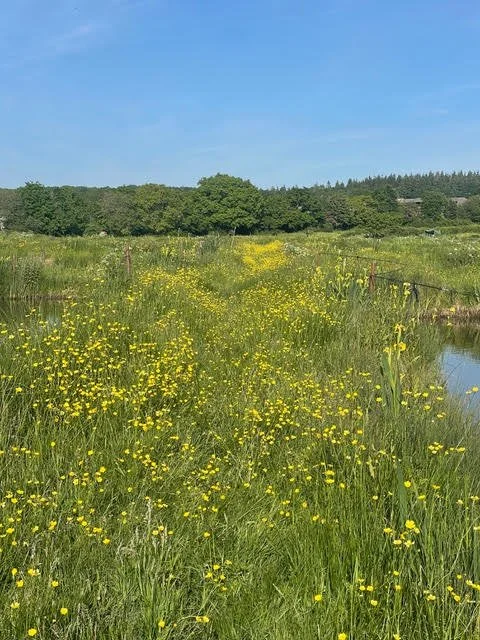
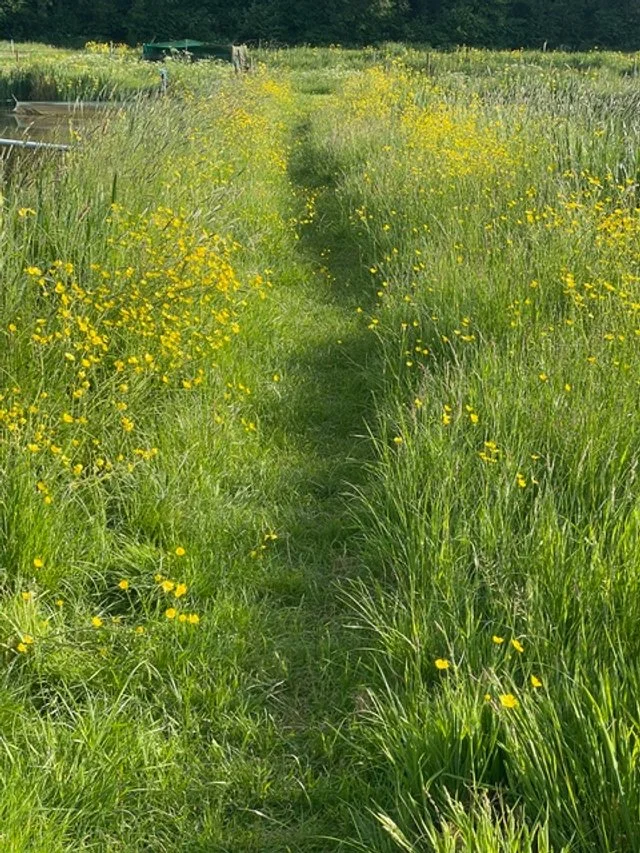
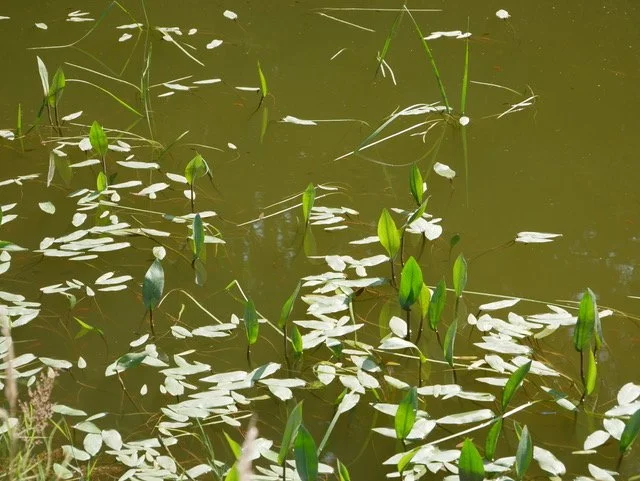
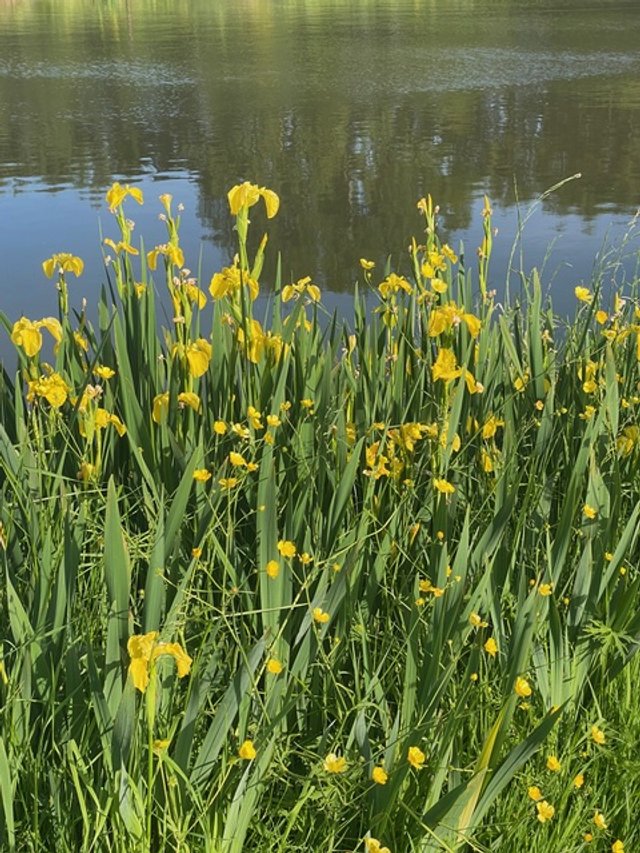
Plants are at the very heart of environmental management, supporting nutrient cycles and food webs for all of our more complex other life forms. Our ponds and banks create a wide range of varied habitats for plants to thrive. Apart from mowing paths for access, we leave our plants to flower and seed before cutting in the Autumn. This provides the feed, cover and habitat for all of our fauna.
Bats
Natural Fly Hatch
Our managed ponds generate vast numbers of flying insects, something of a rarity in the UK today.
Every evening in the summer hundreds of bats emerge from the woods to fly over the site feeding on the dense populations of aquatic midges that flourish in our local habitat. To thrive, bats need a combination of safe daytime roosts, cover (hedges and emergent bankside vegetation) to avoid predatory owls and an abundance of food.. The combination of all three are pure ‘gold’ for bat populations so that it is no surprise to see them every evening and night in huge numbers.
We have recently started to record the individual species using ultrasound bat detectors. So far we have identified the Noctule, the Serotine. the Mouse Eared Bat, the Common Pipistrelle, the Soprano Pipistrelle, and the Nathusius Pipistrelle, a species only found recently in the UK.
Dragonflies and Damsels
Dragonflies emerge from the ponds for their first flight.
Dragonflies and damselflies can spend up to three years as underwater larvae feeding on our high densities of zooplankton and even small fish! They emerge up the natural bankside vegetation to take flight. Here they will forage, feeding on the bounteous flying insects before breeding and starting the cycle again.
We have yet to record all of the species that our site support.
Each year we witness the magical hatching out and emergence of thousands the juvenile dragonfly and damsel flies as they crawl out of our ponds up the bank side vegetation and take flight. (Natural England's Site Improvement Plan SIP193 for the River Itchen catchment features the Southern Damselfly in 11 of its 15 priority issues.)
Reptiles and Amphibians (Herps)
Hatching frogs and toads
All species have significantly declined in the UK in recent years due to habitat loss, fragmentation, intensive land management, pollution, disease and climate change.They represent an invaluable indicator of an ecosystem’s health as they are especially sensitive to pollution due to their permeable skins.
The farming practices on the fish farm create a perfect natural environment for tiny fish to thrive. The beneficial spin off is that this also creates a perfect habitat for reptiles and amphibians to co exist. At Hampshire Carp Hatcheries we have abundant populations of Smooth newts, Palmate newts, Common frogs, Common toads, Slow worms and perhaps most notable a large population of Grass snakes.
It is extremely rare to find a UK site with six species of Herps and they all thrive here.
As the tadpoles metamorphose in late spring, our banks literally move with an army of thousands of tiny crawling frogs and toads.
The population of water voles thrives with all this bank side habitat. Conservation groups have used our site to humanely move small numbers of breeding adults and set up new populations as far away as Scotland to protect this emblematic species from extinction.